Detailed search
RELATED pages


International Technical Meeting on Advanced Radioactive Waste Characterization Held in Szeged
2026.10.14
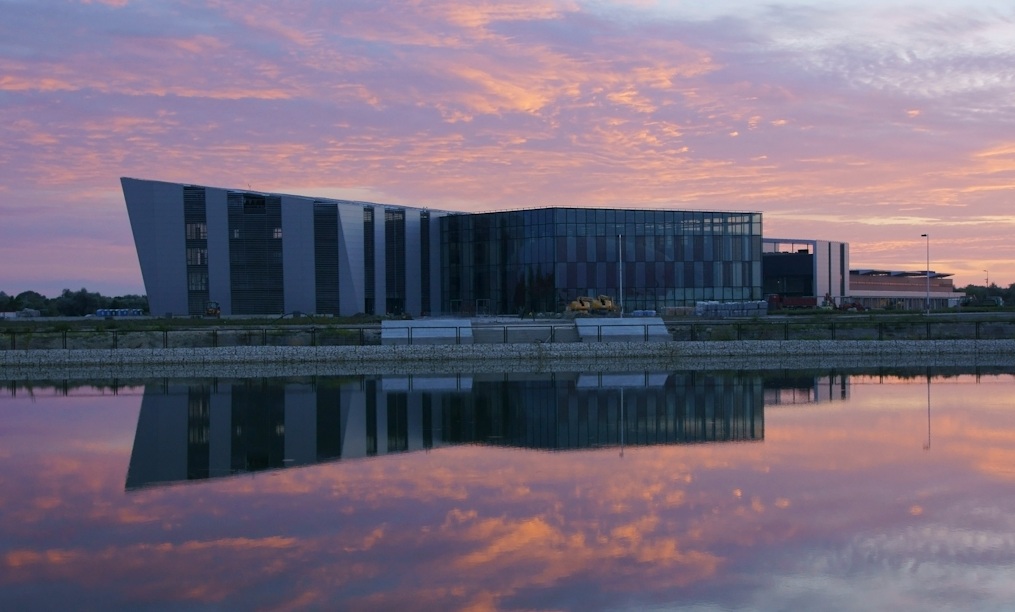
The International Atomic Energy Agency Technical Meeting on Advanced Techniques for Radioactive Waste Characterization took place in Szeged, Hungary, from 5 to 9 October 2026. The event was organised at the Extreme Light Infrastructure Attosecond Light Pulse Source (ELI-ALPS) research facility and with the participation of ISOTOPTECH Zrt. The meeting brought together experts from regulatory authorities, radioactive waste management organisations, technical support organisations, laboratories and research institutions from different countries.
Andrea Beatrix Kádár, President of the Hungarian Atomic Energy Authority (HAEA), delivered the opening remarks. She emphasised that reliable radioactive waste characterization is essential for informed decisions on waste treatment, storage and disposal. She also highlighted the challenges associated with legacy and historical waste and complex waste streams arising from decommissioning, as well as the importance of keeping regulatory approaches aligned with scientific and technological developments.
The programme covered a number of topics, including advanced measurement and analytical techniques, radioactive waste inventory and data management, the reliability of characterization results, and the practical application of innovative methods. The meeting provided a valuable platform for international cooperation and the exchange of technical expertise. Participants also learned about the research infrastructure and advanced laser technologies of ELI-ALPS and visited the National Radioactive Waste Repository in Bátaapáti.
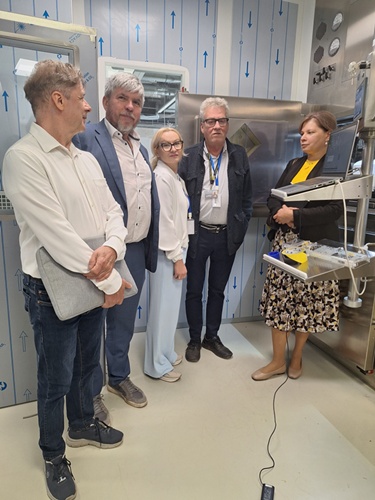
Following the event, the President of the HAEA visited the Nuclear Medicine Institute and Theranostics Centre of the Albert Szent-Györgyi Clinical Centre at the University of Szeged. She met with Zsuzsanna Besenyi, Head of the Institute, and Professor László Pávics, toured the Institute’s diagnostic and therapeutic departments, and viewed the cyclotron currently being installed, which will be used to produce isotopes and radiopharmaceuticals for medical purposes.


 ©HAEA - All rights reserved